Written by EVEC Academy volunteer.
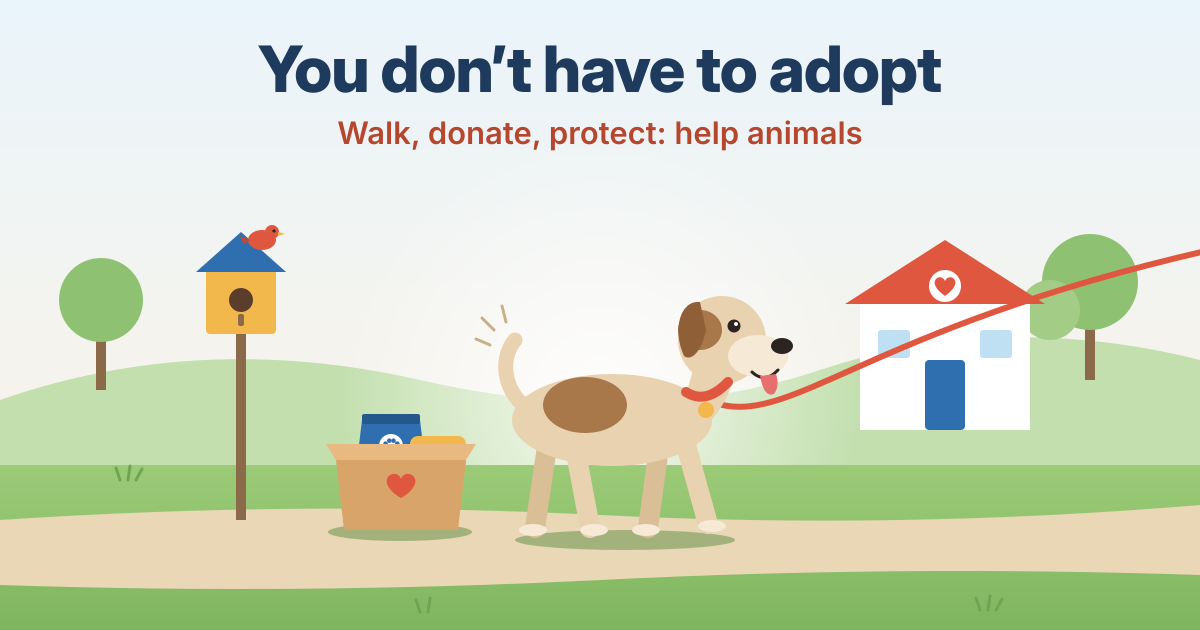
Have you ever seen a stray cat or dog and wanted to help, but thought you could not do much because you could not adopt it? Adoption is one way to help, but it is not the only one. People can support stray animals by volunteering, sharing adoption information, helping animal welfare organisations, or using skills such as writing and design. In Greece, where animal welfare groups work to care for stray cats and dogs, even a small contribution can be useful. The best way to help depends on a person’s age, skills, and available time.
1. Teenagers: Small Actions Matter
Teenagers can start by learning about animal welfare and helping through safe, supervised activities. They should contact an organisation with a parent or trusted adult and check its age requirements before volunteering in person.
One example is Save a Greek Stray, a Greek organisation that works to protect stray animals and help them find homes. Teenagers can explore its official website and ask which activities, if any, are suitable for their age. They can also help raise awareness at school by sharing approved adoption posts or making posters about responsible pet ownership.
Another example is Nine Lives Greece, a volunteer-run organisation that supports stray cats in Athens. Its volunteering page lists activities beyond direct animal care, including graphic design, photography, social media content, and writing adoption stories. A teenager with an interest in writing or art could ask whether an appropriate task is available.
These activities can help teenagers develop responsibility, creativity, teamwork, and communication skills. They also learn that helping does not always mean taking an animal home. A small task completed carefully can still support a larger effort.
2. University Students: Use Your Skills
University students may have more opportunities to use their studies and skills to support animal welfare. They can ask local organisations about volunteering at events, helping with fundraising, or supporting communication and adoption campaigns.
For example, Nine Lives Greece lists feeding support, transport to veterinary appointments, fundraising, website support, photography, and writing among its volunteer activities. Students interested in media or communication could help prepare adoption profiles or create posts that encourage responsible adoption.
A second example is Friends of the Strays of Greece, which supports animal welfare groups throughout Greece. Its work includes improving shelters, supporting sterilisation programmes, helping with food and veterinary care, and finding homes for dogs and cats. Students could explore its official information and ask how their skills might be useful to an organisation or group it supports.
Students can also use their digital skills to share reliable information about adoption and responsible pet ownership. They should check facts with trustworthy organisations rather than spreading unverified advice.
Volunteering can give students practical experience, help them build a portfolio, and introduce them to people who care about similar issues. It can also develop skills that are useful in future studies and careers, including planning, research, teamwork, and problem-solving.
3. Adults: Give Time, Experience, or Support
Adults may be able to make longer commitments or contribute professional skills. Depending on their circumstances and an organisation’s needs, they could help with shelter activities, transport, fundraising, fostering, or administrative work.
Nine Lives Greece provides examples of practical support, including feeding rounds, transport to veterinary appointments, fostering, and fundraising. Adults who have the time and suitable home conditions could ask about fostering an animal temporarily while it waits for a permanent home. Fostering is a serious responsibility, so it is important to understand the organisation’s rules and the animal’s needs before agreeing.
Friends of the Strays of Greece offers another example of how people can contribute to animal welfare across the country. It supports local groups and shelter improvements and helps fund food and veterinary care. Adults who cannot volunteer regularly in person could explore whether the organisation accepts other forms of support, such as donations or fundraising.
These activities can benefit animals by helping them receive care and improving their chances of finding safe homes. Adults may also gain new skills, meet people in their community, and feel that their time is contributing to something meaningful. The right commitment is one that a person can maintain responsibly.
Start With One Small Step
Helping animals does not require adopting one or having special experience. Start by choosing a trusted organisation, reading its official volunteering information, and asking what help is currently needed. If you are under 18, involve a parent or trusted adult and follow all age and safety requirements.
The organisations mentioned in this article provide examples of different ways to contribute in Greece. Their available tasks and requirements may change, so volunteers should confirm the latest information directly with them.
You do not have to take an animal home to make a difference. Whether you write an adoption story, support a fundraising event, or help an organisation in another suitable way, your contribution can matter. Sometimes, the first step towards helping an animal is simply finding one safe action you can take and following through.
Official Sources
- Nine Lives Greece — Volunteer: https://www.ninelivesgreece.com/volunteer/
- Save a Greek Stray — Official Website: https://www.saveagreekstray.org/
- Friends of the Strays of Greece — Official Website: https://www.straysofgreece.org/